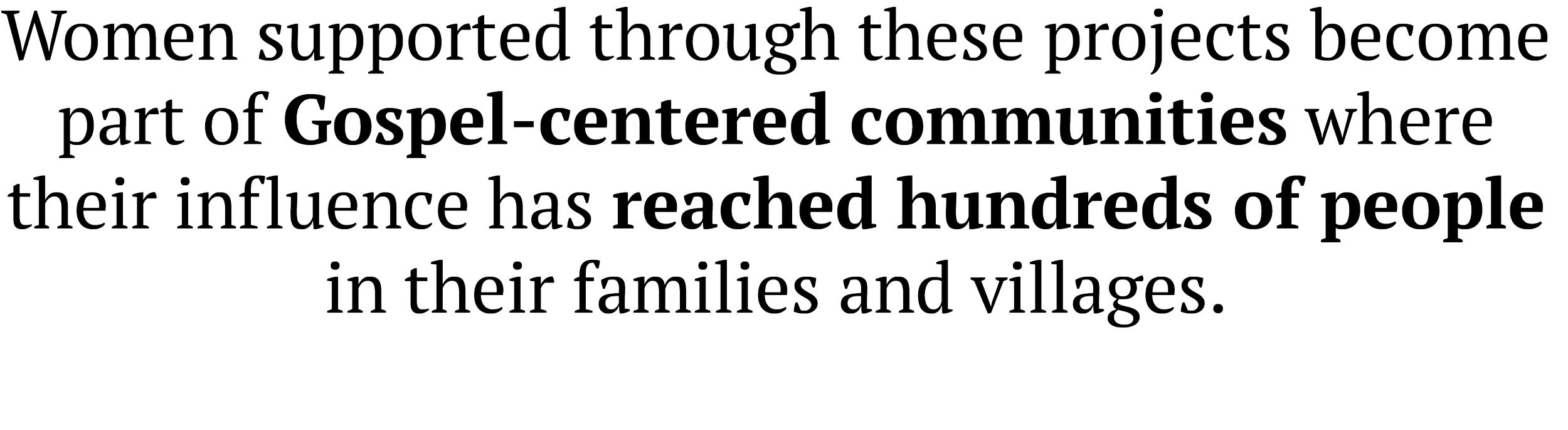
When Freedom Fits on a Table
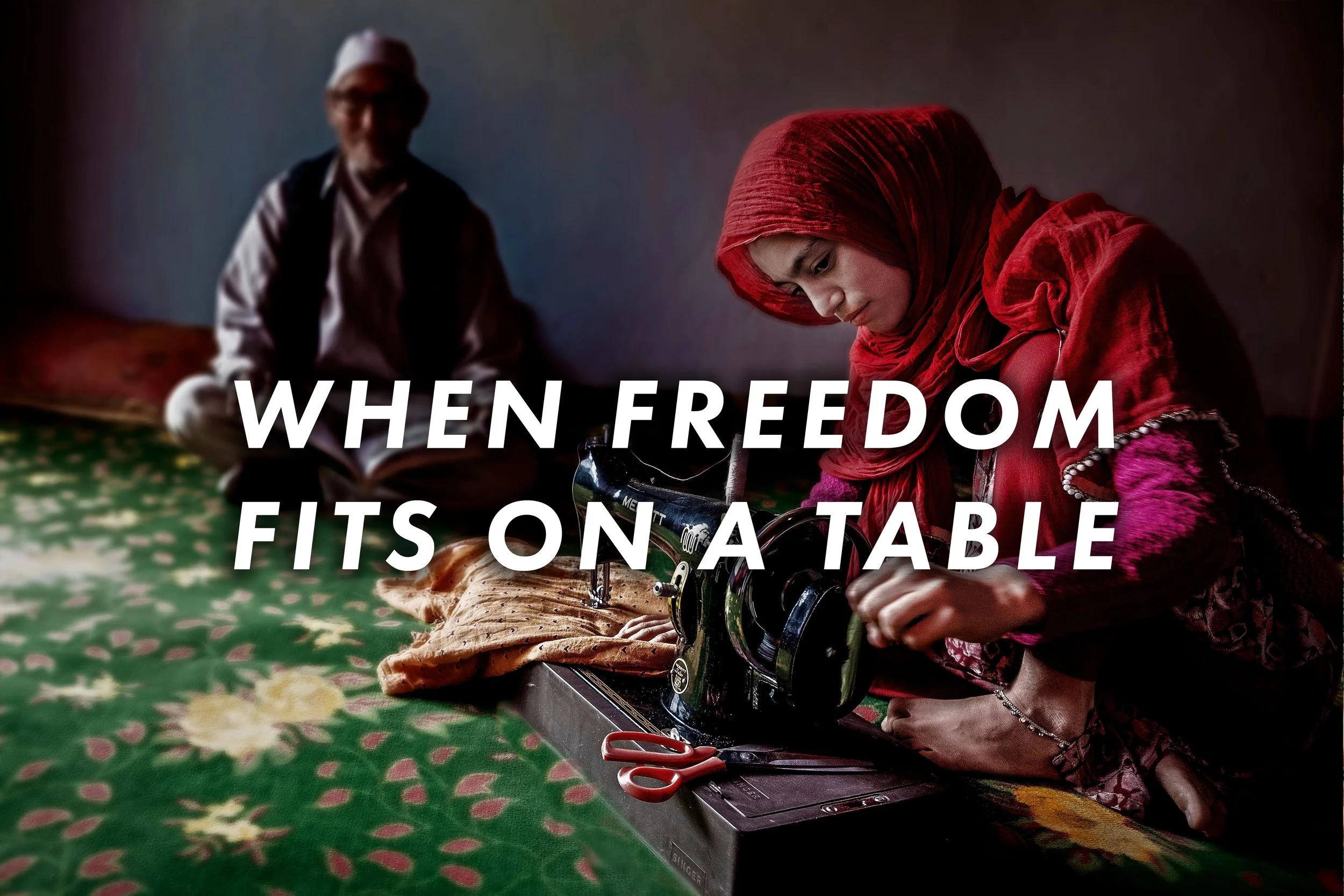
A sewing machine doesn’t look like much.
Metal.
A motor.
A pedal.
To most of us, it's just another household appliance.
But in parts of Sri Lanka and Pakistan, it can become the difference between exploitation and dignity. Between dependence and provision. Between isolation and hope.
In tribal villages across Pakistan's Sindh province, Christian women often carry the greatest burden.
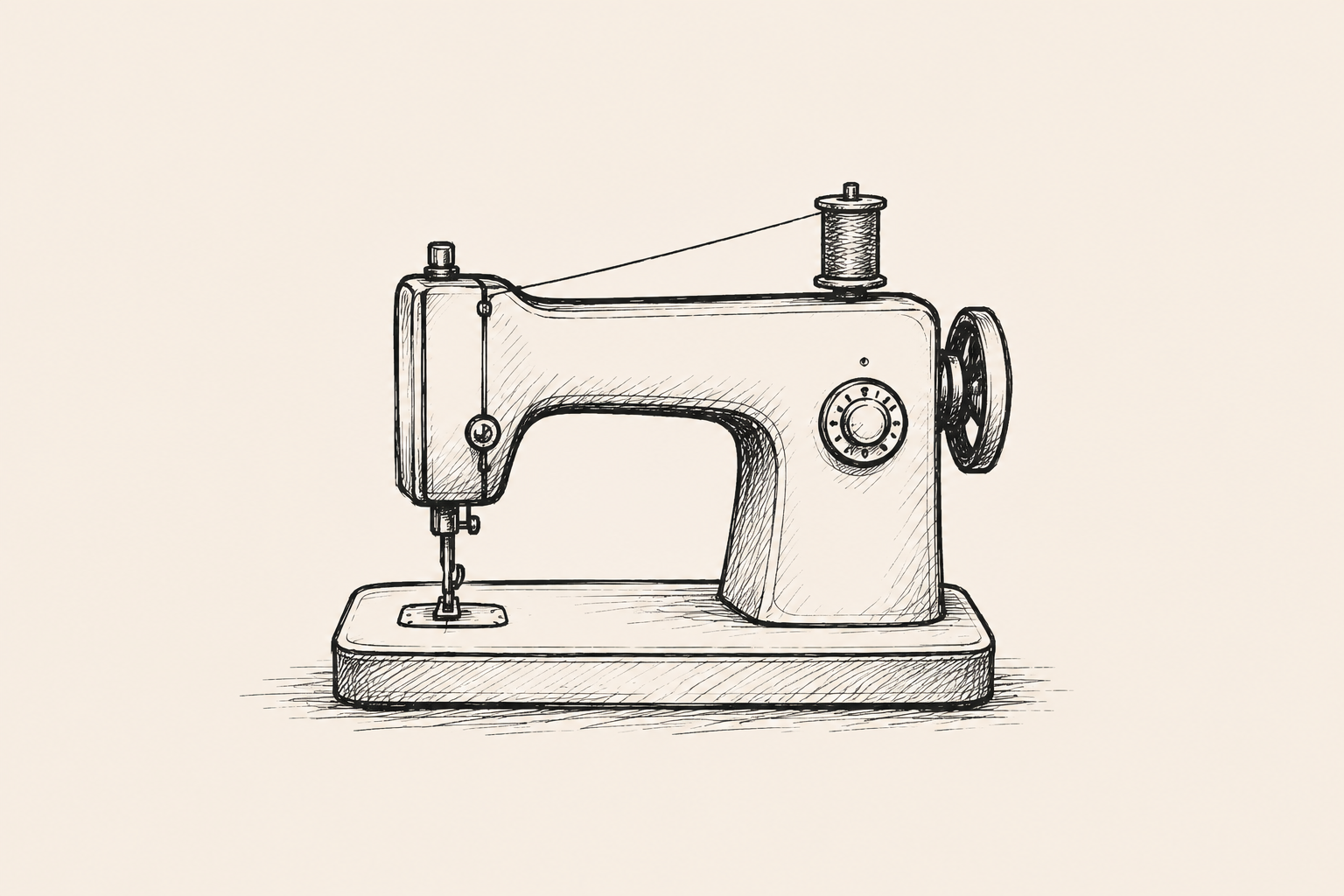
Many work long hours in agricultural fields where harassment and abuse are common. Others face the constant threat of exploitation simply because there are few safe ways to earn an income. For women who choose to follow Jesus, life can become even more difficult as families and communities reject them for their faith.
Across the ocean in Sri Lanka, the challenges look different but feel remarkably similar.
Among unreached communities, poverty leaves many women with few opportunities to build stable lives. Without education or vocational skills, many remain trapped in cycles they did not choose.
This is where compassion becomes beautifully practical.
Because of Project42's faithful community and our organizational partners who are on the ground, local church planters are placing sewing machines into the hands of women who have long been overlooked.
In Sri Lanka, each woman receives professional tailoring training before taking home her own sewing machine to begin a sustainable business.
“Everything began to change when I enrolled in the Sewing Training Center. More than learning a skill, I gained hope, self-confidence, and a new purpose in life.” - Habida*
In Pakistan, entire sewing centers are being established in tribal villages. Equipped with machines, supplies, and trained instructors, these centers create safe places where Christian women can learn a trade, earn an income, and rebuild lives marked by dignity instead of fear.
These projects are not simply economic development.
They are expressions of the Gospel.
Throughout Scripture, we see Jesus meeting physical needs while inviting people into something even greater. He fed hungry crowds before teaching them about the Bread of Life. He healed broken bodies while restoring broken hearts. Compassion was never the end of Jesus’ ministry, it was often the doorway.
The Apostle Paul carried the same conviction, reminding the early church to "remember the poor" (Galatians 2:10), something he said he was eager to do.
That same heartbeat continues today.
Every sewing machine represents someone who said yes to being generous.
Every training center exists because believers chose to invest in women they will likely never meet.
Every business launched creates opportunities for conversations about Jesus that might never have happened otherwise.
A sewing machine cannot save a soul.
But it can open a door.
It can restore dignity.
It can protect a vulnerable woman.
It can create relationships where the Gospel is shared naturally through the witness of local believers.
Sometimes, the smallest gifts become the beginning of the greatest stories.
In the hands of God a sewing machine can change everything.